Google Analytics: Server-Side Tagging

Move your tracking off the visitor’s browser and onto a server you control.

When Browsers Block Tracking

Ad blockers and browser privacy features stop some of your events from ever reaching your reports. Meanwhile, third-party scripts pile up on your pages and slow them down.

We set up server-side Google Tag Manager for businesses that have outgrown browser-based tracking. You get faster page loads, better data quality, fewer blocked events and tighter control over what third parties see.
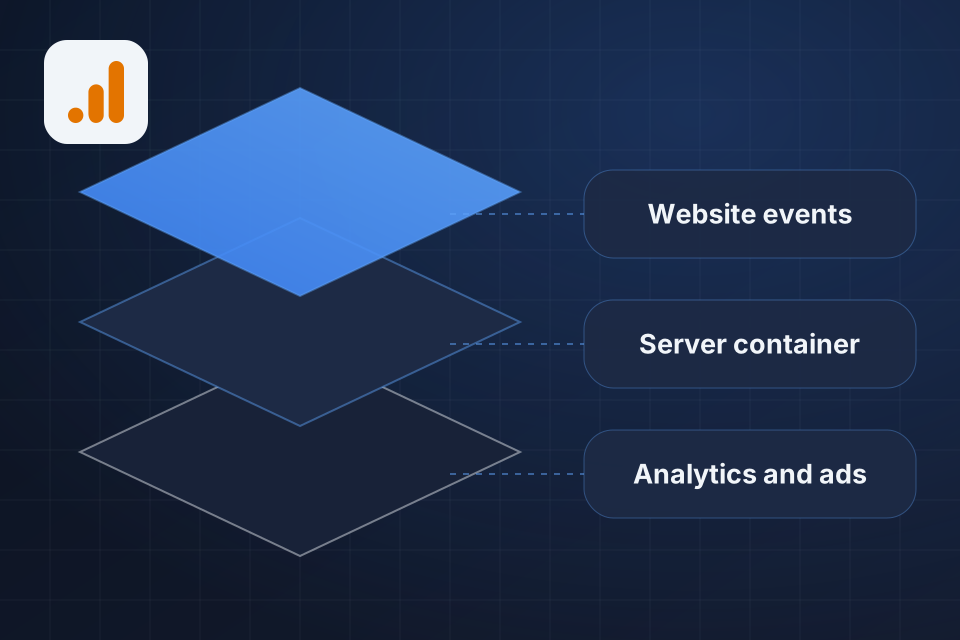
Diagram of Google Analytics server-side tagging, with website events passing through a server container to analytics and ads.

What Server-Side Tracking Changes

A dedicated server-side GTM container hosted on your own infrastructure

More events captured despite ad blockers and browser restrictions

Faster pages, with fewer third-party scripts loading

More control over which data leaves your domain

How We Move Tracking

1

Check the fit

We weigh your accuracy, speed and privacy needs against the setup cost, since smaller sites often do fine without it.

2

Host the container

A dedicated server-side GTM container goes onto your own cloud infrastructure, usually Google Cloud.

3

Route the events

Browser tags forward events to that container, which then sends them on to analytics and ad platforms.

4

Confirm the data

We check that GA4 and Google Ads receive the events correctly before you rely on them.

Why Choose System Strats

We work across GA4, GTM, server-side tagging and Looker Studio, so your server setup stays connected to the tags feeding it and the reports it supports. One engagement covers the full measurement stack instead of stopping at implementation.

Frequently Asked Questions

When data accuracy, performance or privacy matter enough to justify the setup cost. It’s a strong fit for ecommerce sites, businesses heavy on paid media and companies in regulated industries. Smaller sites often do fine with client-side GTM, which runs in the browser.

There’s a small ongoing hosting cost, because server-side GTM runs on your own cloud infrastructure, usually Google Cloud. That cost depends on your traffic. The setup cost varies by complexity.

Usually not, because the two run together. Client-side GTM captures events in the browser and forwards them to the server-side container, which then sends them to analytics and ad platforms.

Yes. Both are first-class destinations for server-side tagging, and server-side setups generally improve data quality for both.

Ready to Get Started?

Tell us about your project and we'll get back to you within 24 hours.