Accounting & Finance Integrations

Every sale and expense already exists somewhere in your systems. Your finance team shouldn’t have to type it in again.

Month-end shouldn’t depend on someone moving numbers between systems by hand. We connect your sales platforms, ERP and operational tools to QuickBooks, Xero, NetSuite Financials or whichever accounting system you use. Transactions land in the right accounts on their own, so nobody has to build a spreadsheet to bridge the gap. Your books close faster because the entries are already there.
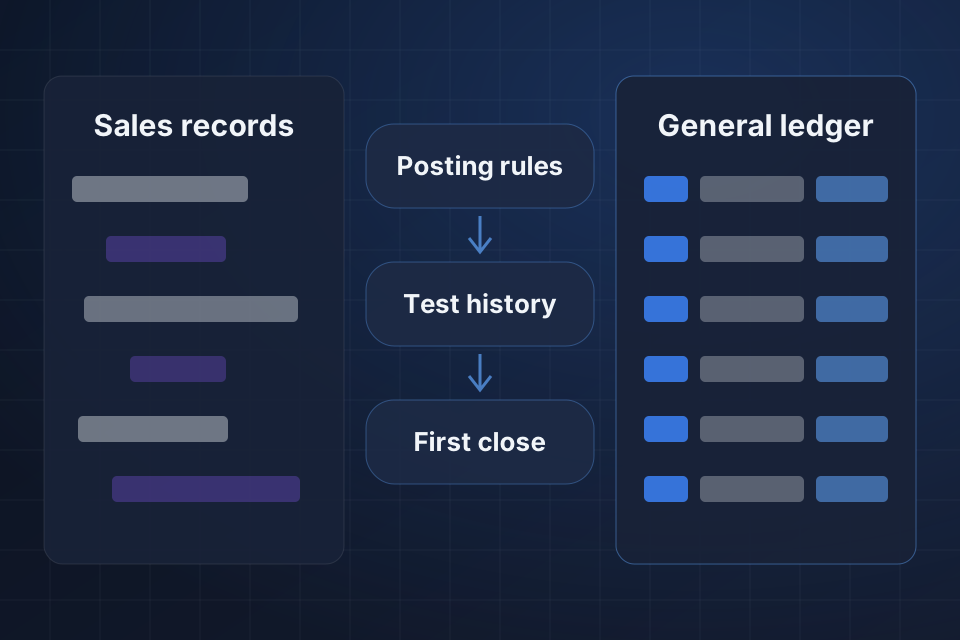
Diagram of sales, expense and tax data reaching the general ledger through posting rules, history tests and a first close.

Why Accounting Integration Matters

Every hand-entered transaction is a chance for a typo, a delay or a missed entry. When sales channels, payment processors, expense tools and payroll sit apart from accounting, your finance team spends the start of each month chasing numbers when they could be reading them. Connected books mean faster closes, cleaner audits and figures you can trust when a decision comes up.

Common Challenges We Solve

Slow Month-End Close

Your team spends days matching transactions from your store, payment processors and ERP before closing the books. Each system shows slightly different numbers.

Revenue Recognition Gaps

Income from each channel arrives at different times under different categories, so booking subscriptions, one-time sales and services in the right period becomes a manual puzzle.

Expense Tracking Blind Spots

Vendor payments, ad spend and shipping costs sit in separate systems. Nobody sees where the money is going until the credit card statement arrives.

Tax and Compliance Mismatches

Sales tax collected by your online store doesn’t match what your accounting system expects. Each new state or country adds more reconciliation work.

Our Approach

Your chart of accounts is our starting point, and we work outward from there. Mapping every revenue stream, expense category and transaction type shows how money moves through your business and where it belongs in your books. Only after that do we automate journal entries, categorization and reconciliation, with proper handling for refunds, adjustments, multiple currencies and other cases that trip up finance teams.

What We Deliver

Revenue Sync Automation

Sales from Shopify, Amazon, wholesale channels and your ERP reach your accounting system as categorized revenue, split by channel, product line or whatever your reports need.

Payment Processor Reconciliation

Stripe, PayPal, Square and other processor transactions reconcile automatically against your books, including fees, refunds, chargebacks and payouts.

Expense and Vendor Integration

We connect expense tools, vendor payment systems and procurement platforms to your accounting system, so expenses are categorized and recorded without manual entry.

Tax Data Automation

Sales tax from every channel and jurisdiction flows into accounting correctly mapped, so filings and remittance rest on accurate, reconciled figures.

Financial Reporting Consolidation

We combine accounting, ERP and operations data into reporting views, so leaders get P&L, cash flow and margin reports without waiting for month-end.

From Chart to First Close

1

Review the Books

We go through your chart of accounts, transaction sources and current close, then list every system that creates or uses financial data.

2

Set the Rules

Each transaction type gets mapped to your accounts, with clear rules for tax treatment, multiple currencies, refunds and adjustments.

3

Test Against History

We run the finished integrations against past transactions and check the output with your finance team until it matches what they expect.

4

Support First Close

Go-live happens ahead of a close cycle. We stay with your team through the first automated close and fix whatever surfaces.

Why Choose System Strats

We have built financial integrations for businesses dealing with multi-channel revenue, complex tax jurisdictions and the strict rules accounting systems set for how data is formatted and categorized. Your finance team stays involved throughout, so the automation cuts their workload instead of handing them new problems to troubleshoot.

Ready to Get Started?

Tell us about your project and we'll get back to you within 24 hours.