Old tools continue renewing
The old service keeps renewing after most work has moved to the new one. The bill becomes routine because nobody has compared it with the tasks that still need access.
System consolidation & technology selection
The replacement is live, but old subscriptions keep renewing because nobody owns the decision to end them. A forgotten report or archive may still need them. We find remaining use, list the prerequisites, and give each renewal a clear owner.
Discuss this problemWe compare agreed billing records with the work still done in each overlapping tool. Low login activity alone does not prove a service is unnecessary, because occasional work and access to past records can matter. We review contract and notice dates with the responsible owner. Before we propose closing anything, we check that supported transfers or archives work. The result separates possible savings from approved cancellations. It also gives you a practical review schedule, so another renewal doesn't pass while nobody can explain what still relies on the old tool.
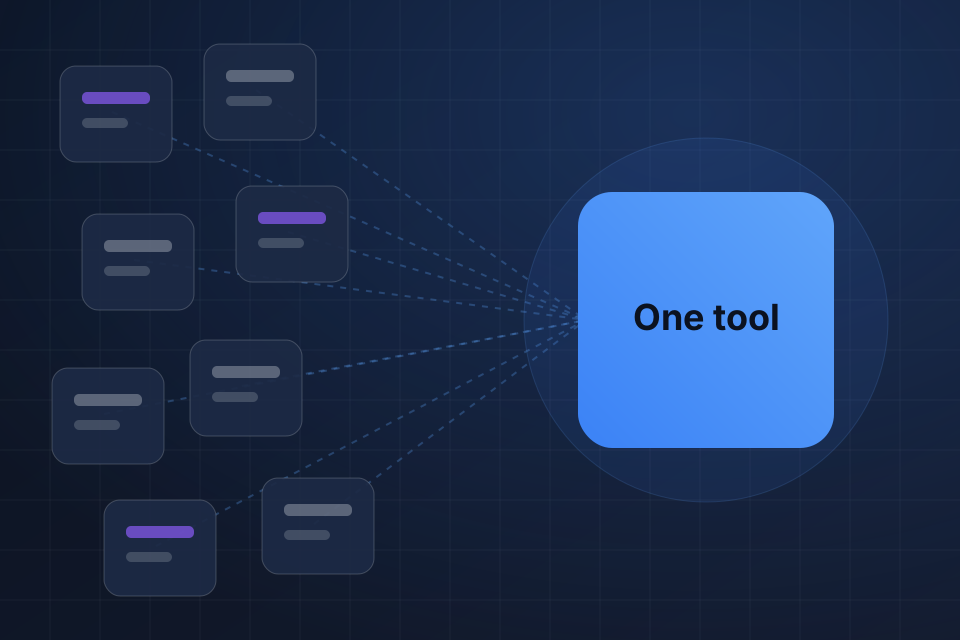
The old service keeps renewing after most work has moved to the new one. The bill becomes routine because nobody has compared it with the tasks that still need access.
Each department assumes someone else handles cancellation and the required notice. A deadline passes while each team believes the decision or contract review was dealt with elsewhere in the business.
A report, connection, or archive still relies on the old tool. Cancelling blindly would disrupt it, so your staff keep paying without settling how the remaining work should move or be kept.
We list who owns each subscription using approved billing and contract records. Renewal dates, notice limits, and the people who decide show which choices need attention before another charge is committed.
Then we compare the work that remains with the new setup. We review occasional tasks and essential access to past records alongside active users, so a decision to close a tool doesn't rest only on recent logins.
Before closing anything, we trace the exports, connections, and archives that rely on the tool. That shows what must move or stay retrievable, and which owner should approve the proposed replacement for that job.
For each reviewed tool, we write a plan that names the decisions, who owns them, and what must happen first. Potential savings are tied to the subscription terms, and we don't present them as confirmed money saved before cancellation.
We transfer supported remaining work or set up approved access to past records. Typical retrieval and process checks prove the new setup works before the old tool is removed.
We record renewal review dates and owners, and we keep open items visible. Your team can make a deliberate value decision at the next renewal, instead of treating continued billing as an automatic result of an unfinished handover.
Cancelling needs approval and a review of the terms and of what still relies on the tool. We prepare a concrete closure plan so the owner can decide using confirmed remaining needs. A visible overlap does not show that closing right away is safe for every business task or retained record.
No. A rarely opened system may support a critical occasional task or hold history the new tool can't retrieve. We inspect those links before recommending closure. Login counts are useful evidence of activity, but not a complete measure of continuing business need.
Confirmed savings depend on approved closures and your actual subscription terms. We identify overlap and potential reductions, then separate those chances from a confirmed billing change. We don't count a proposed cancellation as saved money until its commercial effect is established.
Name the overlapping platforms and share one renewal example with private details removed. Include the remaining task or link you suspect still uses the old tool, so we can base the decision on evidence.
Explore System Consolidation More problems in System consolidation & technology selection
Tell us about your project and we'll get back to you within 24 hours.