System Consolidation & Cleanup: Redundancy Analysis & Elimination

Every overlap costs you twice: once on the invoice and again in confusion about which tool to use.

Finding the Overlap

Sales keeps customers in one tool, support in another, and a third system does part of both. You know some of these overlap, yet nobody can say which to keep.

We compare the features, license costs and effort involved in each possible consolidation. Then we rank them by business impact and feasibility, so you can act on the ones worth doing first.
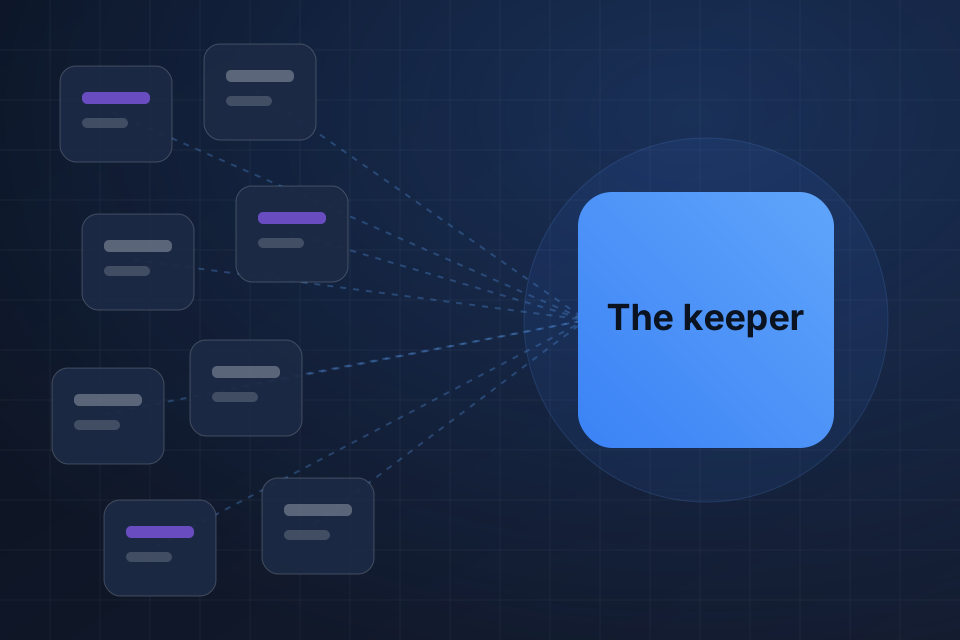
Diagram of overlapping systems compared and folded into the one system worth keeping, with the rest marked to cut.

What Overlap Removal Brings

Lower licensing costs once duplicate tools are gone

A simpler set of systems for your team

Fewer data quality issues from disconnected systems

Less integration maintenance

How We Compare Systems

1

Compare Features

We list what each system does and who relies on it, including why teams chose their tools.

2

Cost Each Option

We weigh licensing costs against the effort of each possible consolidation.

3

Pick the Keeper

We name the source of truth, or a specialist tool worth keeping beside your core platform.

4

Sequence the Cuts

We rank consolidations by impact and feasibility, often starting with lower-risk systems, then plan each cutover.

Why Choose System Strats

We bring real experience managing system consolidation projects. We understand what a retired system leaves behind, so each recommendation weighs migration risk as well as license savings.

Frequently Asked Questions

We talk to them first. Change is hard, so we learn why they chose their tools and make sure the consolidated option meets those needs. Buy-in is essential for success.

That’s the core of the work. We decide which system becomes the source of truth, migrate historical data, and shut down the old system cleanly.

We list every feature you need and find a platform that covers them. If none does, we look at keeping a specialized tool alongside your core platform.

We sequence consolidations to limit disruption, often starting with lower-risk systems. Detailed cutover plans and team training keep the transition under control.

Ready to Get Started?

Tell us about your project and we'll get back to you within 24 hours.