Later pages are absent
The first category page gets collected while later pages never enter the dataset. Enough plausible products show up in the output to hide the missing coverage from a routine check.
Web scraping
Your scraper finishes without errors but misses later pages or product options. The output looks plausible, yet the catalog is incomplete. We check the routes you're permitted to use, fix the gaps we verify and record what each run covered.
Discuss this problemFirst we agree what part of the catalog you are authorized to collect, then we compare that with the output. Category paths, page numbering and the way options display decide how items can be reached. Restricted content stays outside anything we assume can be collected. Sample products from later pages and examples with several options become the checks the fix has to pass. We test the corrected crawl, the path the scraper takes from page to page, for missing sections and repeated records. Each finished run records what it actually collected and any access or source limits. A catalog that keeps changing may need later reconciliation, not one supposedly perfect snapshot.
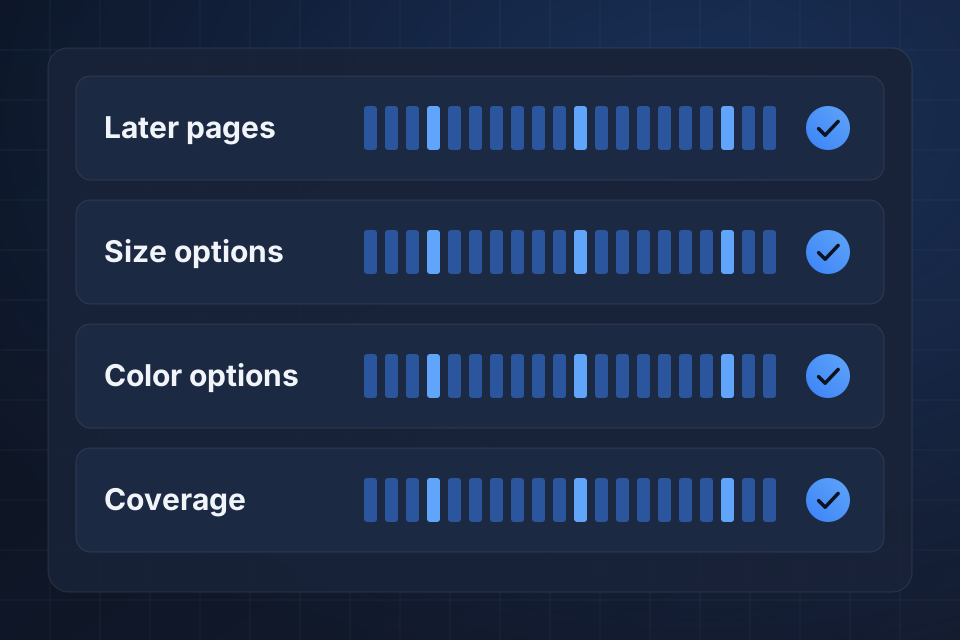
The first category page gets collected while later pages never enter the dataset. Enough plausible products show up in the output to hide the missing coverage from a routine check.
Only the default option shows up for a product with several configurations. Your buying or catalog staff cannot compare the full permitted range, because the scraper left out how the options relate.
The job reports success without recording which pages or categories it covered. Staff have no evidence to tell a complete authorized catalog from a run that merely finished its configured first steps.
We map the authorized entry points and how the source exposes later pages or options. Before changing the crawl, we weigh available supplier feeds and supported routes alongside the permitted website structure.
We follow the steps from page to page to find what stops the run and what repeats. The review checks whether the pages ran out correctly, failed partway through or returned an earlier page again.
Sample source items and options get compared with the output records. Coverage checks focus on known later-page and option examples, because a large row count is not proof the catalog is complete.
We repair the supported crawl for authorized page sequences and record where a finished run stops. Restricted or unavailable routes stay documented and do not get silently counted as part of the collected catalog.
We capture permitted options with the agreed IDs and fields your later systems need. Parent and option links stay in place, so several records do not turn into unrelated products or copies of the default selection.
Each finished run gains scope and exception evidence. Staff can inspect categories and missing sections, and a changing source gets a suitable reconciliation process, not an unsupported claim that everything was covered at the same moment.
No. A completed run only proves that its configured job finished. We agree on the authorized scope and inspect later-page and option samples before calling the output complete. Access limits and ongoing site changes stay visible in the coverage record, so you can explain what it means.
No. The work uses authorized access and supported source routes. Restricted pages stay documented as dependencies, and an approved supplier feed may give better coverage. We do not treat a missing restricted section as permission to bypass the controls on that source.
We record collection timing and scope, so staff understand what the run covers. A fast-changing catalog can need repeated reconciliation, because a long run reads different items at different moments. We treat that limit as separate from a repeatable crawl fault that leaves out later pages.
Tell us the collection tool and the source website you are authorized to use. Share one public or safely accessible later-page item or option missing from the output, so we can trace the permitted route and the coverage gap.
Tell us about your project and we'll get back to you within 24 hours.