SEO: XML Sitemaps & Robots.txt

These two small files shape how search engines move through your site. Mistakes can go unnoticed until traffic falls.

Guiding Search Engine Crawlers

Pages you published months ago still don’t appear in Google, or crawlers spend their time on pages nobody needs. Two small files can sit behind this. An XML sitemap lists the pages you want found, and robots.txt tells crawlers where they may go.

We configure both correctly. Search engines can then reach all your important pages and avoid wasting crawl budget, the limited attention they give your site, on irrelevant content.
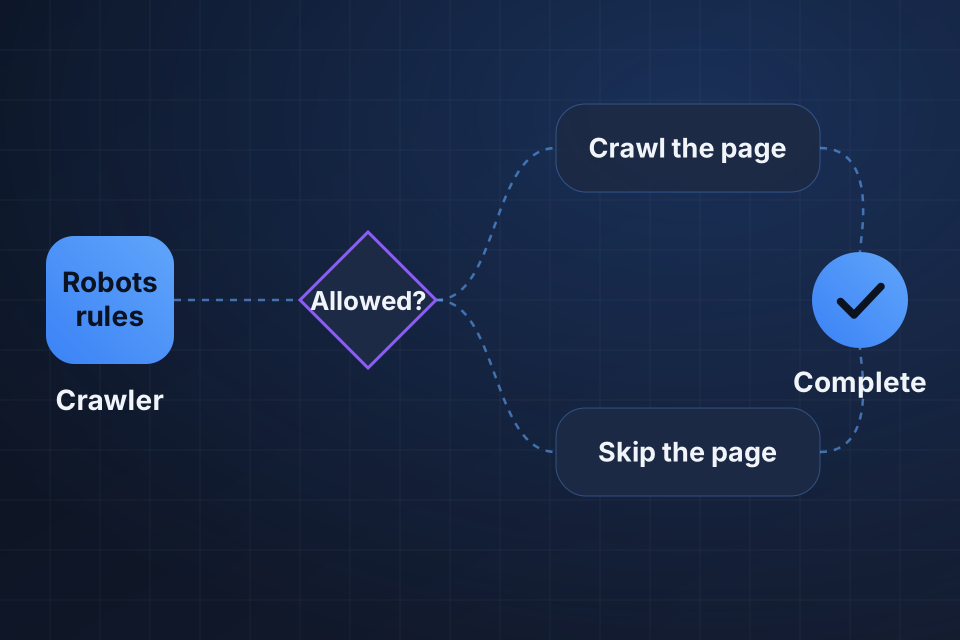
Diagram of a search crawler reading robots.txt rules, then crawling allowed pages from the XML sitemap and skipping the rest.

What We Configure

XML sitemaps structured for all your content types

A robots.txt file set up for efficient crawling

Crawl budget work for large sites

Sitemaps that generate and submit automatically

How We Set Up Crawling

1

Review Files

We check your current sitemap and robots.txt for blocked pages, gaps and wasted crawling.

2

Fix Rules

Robots.txt gets rewritten so crawlers reach important pages and skip duplicate or low-value ones.

3

Build Sitemaps

We structure a sitemap for each content type and set it to update automatically as content changes.

4

Submit and Watch

Your sitemaps go to search engines, and we audit robots.txt regularly to catch mistakes.

Why Choose System Strats

We’ve grown organic traffic for companies across various industries. None of that counts if crawlers can’t reach your pages, so we get these files right early.

Frequently Asked Questions

It’s a file that lists the pages you want search engines to index. It helps them discover new and updated content, especially on large sites or sites with complex navigation.

It’s a file that tells search engine crawlers which pages or sections they should or shouldn’t crawl. It helps you manage crawl budget and keep crawlers away from duplicate or low-value pages.

Yes. A misconfigured file can accidentally block Google from crawling important pages or your entire site. We audit your robots.txt regularly to prevent this common mistake.

Automatically, whenever content is added or changed. We set up dynamic sitemap generation that reflects your current site structure without manual maintenance.

Ready to Get Started?

Tell us about your project and we'll get back to you within 24 hours.