Shopify: Headless Commerce

Keep Shopify’s checkout and inventory tools, and build the storefront your theme won’t let you have.

When Themes Hit Their Limit

Your brand needs pages, content or speed that a standard Shopify theme can’t deliver, and the workarounds keep piling up. A headless build separates the storefront customers see from the Shopify backend that runs the business.

We build that storefront with React, Next.js or Hydrogen, Shopify’s own framework. Shopify keeps handling checkout, payments and inventory, while you get full creative control and pages built for speed and conversion.
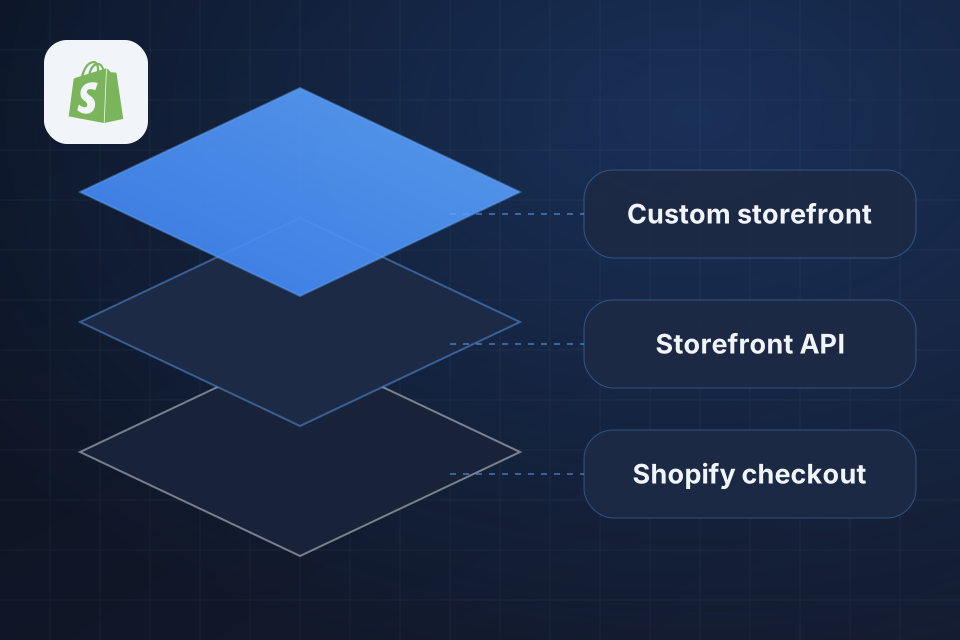
Diagram of a headless Shopify build with a custom storefront on top, the Storefront API below and Shopify checkout at the base.

What Going Headless Gives You

Full design freedom with modern frontend frameworks

Sub-second page loads from pre-built pages and a content delivery network

Content managed across web, mobile and kiosks

Shopify’s reliable checkout and payment systems stay in place

How We Build Headless

1

Decide Fit

We weigh your performance, SEO and developer needs, then choose Hydrogen, Next.js or a custom React build.

2

Review Apps

Your app stack gets checked early, because apps that inject theme code may need a custom integration.

3

Build Storefront

The frontend goes up on Shopify’s Storefront API, using static generation and a content delivery network for fast pages.

4

Connect Checkout

Orders, payments and inventory stay in Shopify, and we test the full path from storefront to checkout before launch.

Why Choose System Strats

We’ve built Shopify operations for a range of brands. Headless adds moving parts, so we plan the storefront around what your team can run after launch.

Frequently Asked Questions

Headless separates your frontend, which customers see, from your backend, where Shopify handles orders, payments and inventory. It’s ideal for brands that need unique experiences, ultra-fast performance or content-heavy sites that standard themes can’t deliver.

We primarily use Shopify Hydrogen, Next.js with the Storefront API, or custom React builds. The choice depends on your performance, SEO and developer experience needs.

It can be, because headless takes more technical skill to maintain than a standard theme. For growing brands, the speed, creative freedom and unique customer experience often deliver a strong return.

Many of them, yes. Apps that work through APIs can connect to a headless storefront, but apps that inject code into the theme may not. We review your app stack and build custom integrations where needed.

Ready to Get Started?

Tell us about your project and we'll get back to you within 24 hours.